|
| | 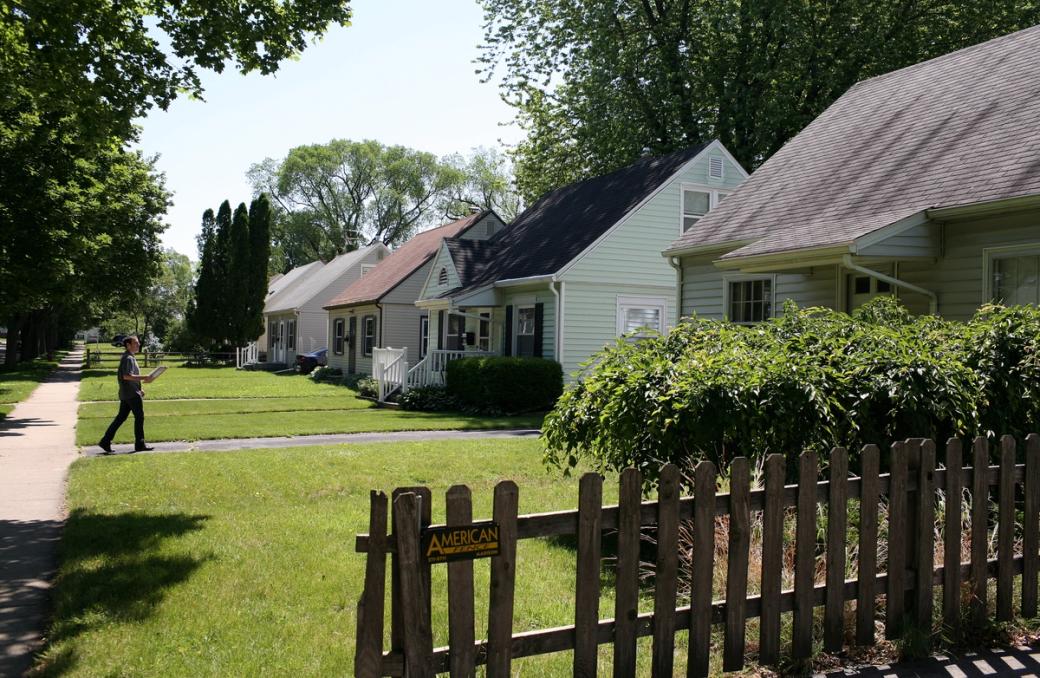 | Two zoning changes would impact nonresidential buildings in residential areas. (Photo by Andrew Lichtenstein/Corbis via Getty Images)) |
| Last week, the City Council voted to loosen two longstanding zoning rules for nonresidential development or redevelopment projects. | | Firstly; residential care facilities such as assisted living facilities, religious residential groups such as monasteries, farmers markets, places of worship and their accessory mission houses, hospitals, libraries, museums, schools, and outdoor recreation places no longer have to be accessible from high traffic streets. | | Secondly, nonresidential buildings can be built 50 feet high instead of 35 feet in 15 residential zoning districts if the city Plan Commission approves it. [The City of Madison, 🔒Wisconsin State Journal] | | Why make these changes? | A staff planning memo about the first zoning change explains that traffic engineers thought that this restriction could lead to safety concerns. Madison has already seen these concerns play out when it was proposed that Cherokee Middle School’s primary access point be at Midvale Boulevard to align with the zoning code. | | The second zoning change was also inspired by an issue with zoning regulations and Madison’s schools, namely that redevelopment plans for Akira Toki Middle School and Orchard Ridge Elementary School would have the schools’ height exceed 35 feet. [The City of Madison, The Cap Times] | | Why is this controversial? | Residents raised concerns at the council meeting that these zoning changes would lead to increased traffic on residential streets and change the character of affected neighborhoods. District 9 Ald. Joann Pritchett, the only alder who voted no on the traffic change, also expressed concern prioritizing new entities over maintaining neighborhoods. | |
|
|
|
| What Madison's Talking About |
| 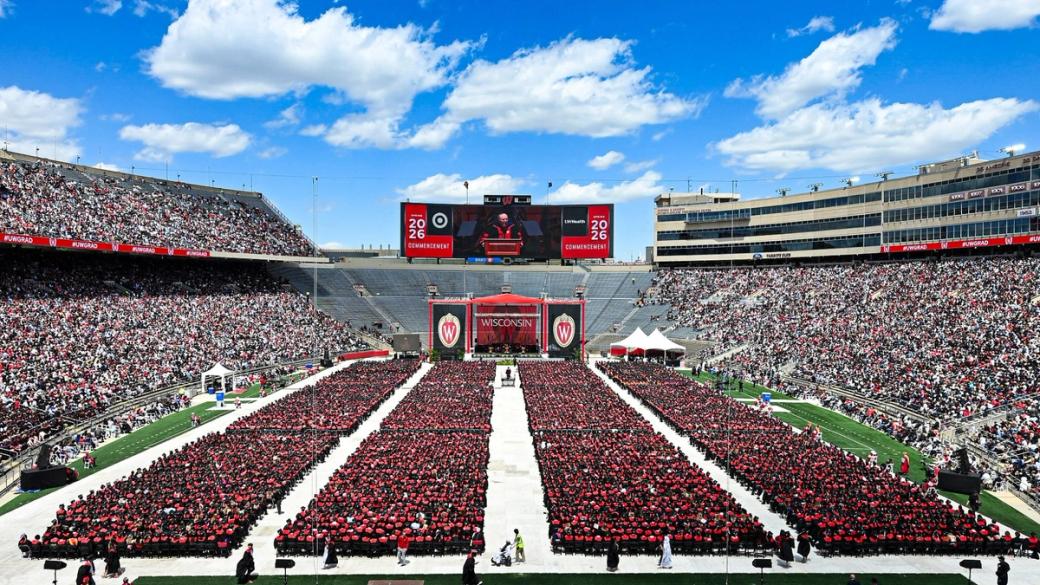 | President Trump’s “Big Beautiful Bill” ended the SAVE plan, which was a particularly flexible and generous income-driven repayment plan. (Courtesy of UW-Madison News) |
| 🎓 What Changes in Student Loan Policy Means for Wisconsin’s Economy: The Biden-era Saving on a Valuable Education (SAVE) plan ended on July 1, With nearly one in five Wisconsin borrowers enrolled as of March, the economic consequences will be steep. While the exact impact of increased student loans can’t be known, a study found that in 2023 when student loans repayments restarted after being put on pause during the pandemic, consumer spending dropped by nearly $630 a year. [WPR] | | ♻️ Sustainablity Campus Underway: The county officially broke ground recently on its new sustainability campus, designed to offer sustainable waste management and offer renewable energy. This comes after the county’s current landfill is about to reach capacity. The site is not using taxpayer dollars and instead relies on an enterprise fund. The site is designed to generate revenue in the future from renewable energy production. [News 3] | | 🪧 SSM Health Challenges Union Election: Last month, SSM Health St. Mary’s Hospital nurses voted to unionize with the Service Employees International Union Wisconsin. Now the system has filed objections with the National Labor Relations Board about the conduct of the elections. The complaint says that as “supervising employees,” charge nurses should not have been able to vote in the election. [Madison365, WPR] | |
|
|
|
|
|
📰 Extra! Extra! Madison’s most unlikely bird family is back! The goose that had been seen tagging along with a crane family last year was spotted back with her new parents recently. The two sandhill cranes adopted the gosling in June 2025, and although geese and cranes have different migratory patterns, their bond was apparently strong enough for a reunion! 🫶 |
| — Elizabeth Kauma | ✏️ Thanks to City Cast newsletter editor Rob Thomas for editing today’s newsletter. |
|
|
|
|





